
Assisted living communities aim to offer the right balance of support and independence for seniors. For caregivers and family members, it’s crucial to foster an environment that honors each resident’s unique personality and dignity. This blog will delve into different strategies to encourage independence and autonomy among assisted living residents, helping them preserve their individuality and enjoy a meaningful life.
1. Person-Centered Care:
Person-centered care is the cornerstone of supporting independence in assisted living. Recognizing and respecting residents’ preferences, interests, and abilities is vital. Taking the time to understand their individual needs, routines, and personal history allows caregivers to tailor their assistance while empowering residents to make choices about their daily lives.
2. Encouraging Decision-Making:
Maintaining autonomy means being able to make decisions about one’s life. Assisted living facilities can create opportunities for residents to participate in decision-making processes. Whether it’s selecting activities, arranging their living space, or making choices about their daily routines, involving residents in decision-making fosters a sense of control and independence.
3. Promoting Self-Care:
Assisting residents in maintaining their personal care routines can be a delicate balancing act. While some individuals may require more assistance, it’s important to encourage self-care activities whenever possible. Providing adaptive tools and equipment, such as grab bars or shower chairs, enables residents to maintain their independence while ensuring their safety.
4. Supporting Hobbies and Interests:
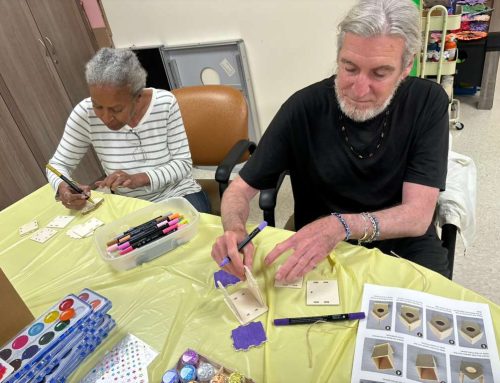
Engaging in hobbies and interests plays a significant role in promoting independence and autonomy. Assisted living communities can offer a range of activities that cater to diverse interests, such as art classes, book clubs, gardening, or fitness programs. By providing opportunities for residents to pursue their passions, they can maintain a sense of purpose and fulfillment.
5. Maintaining Social Connections:
Social interaction is vital for residents’ well-being and independence. Assisted living facilities can facilitate social connections by organizing group activities, outings, and events. Additionally, creating spaces for residents to gather and fostering a sense of community allows them to build relationships and maintain an active social life.
6. Technology for Independence:
Advancements in technology can greatly enhance independence for assisted living residents. From emergency call systems and medication reminders to smart home devices and communication tools, technology can provide residents with increased control over their environment and connect them with their loved ones.
7. Individualized Support Plans:
Developing individualized support plans is crucial for maintaining independence. Regular assessments of residents’ needs, goals, and preferences help identify areas where additional support may be required. By tailoring care plans to individual abilities and aspirations, assisted living communities can empower residents to remain as self-reliant as possible.






Leave A Comment