

The Powerful Connection Between Assisted Living, Friendship, and Healthy Aging
As people age, maintaining strong social connections becomes increasingly important for overall health and well-being. Unfortunately, loneliness and social isolation affect millions of older adults, contributing to physical, emotional, and cognitive health challenges. Assisted living programs provide a valuable solution by creating supportive communities where seniors can build meaningful friendships, participate in engaging activities, and receive personalized care that promotes a higher quality of life.
Modern assisted living communities are designed to address not only medical needs but also the social and emotional aspects of healthy aging. Through carefully structured recreation programs and individualized healthcare services, seniors can enjoy a vibrant lifestyle that supports both independence and connection.
Understanding the Impact of Loneliness on Seniors
Loneliness is more than simply feeling alone. Research has shown that chronic social isolation can increase the risk of:
- Depression and anxiety
- Cognitive decline and memory loss
- High blood pressure and heart disease
- Reduced immune function
- Increased risk of hospitalization
- Lower overall life satisfaction
Many older adults experience loneliness after retirement, the loss of a spouse, reduced mobility, or family members moving away. Without regular social interaction, seniors may struggle to maintain emotional well-being and physical health.
How Assisted Living Encourages Lasting Friendships
One of the greatest benefits of assisted living programs is the opportunity for seniors to develop meaningful relationships with peers who share similar life experiences and interests.
Daily Social Opportunities
Unlike living alone, assisted living communities provide regular opportunities for interaction through:
- Group dining experiences
- Recreational activities
- Fitness classes
- Educational workshops
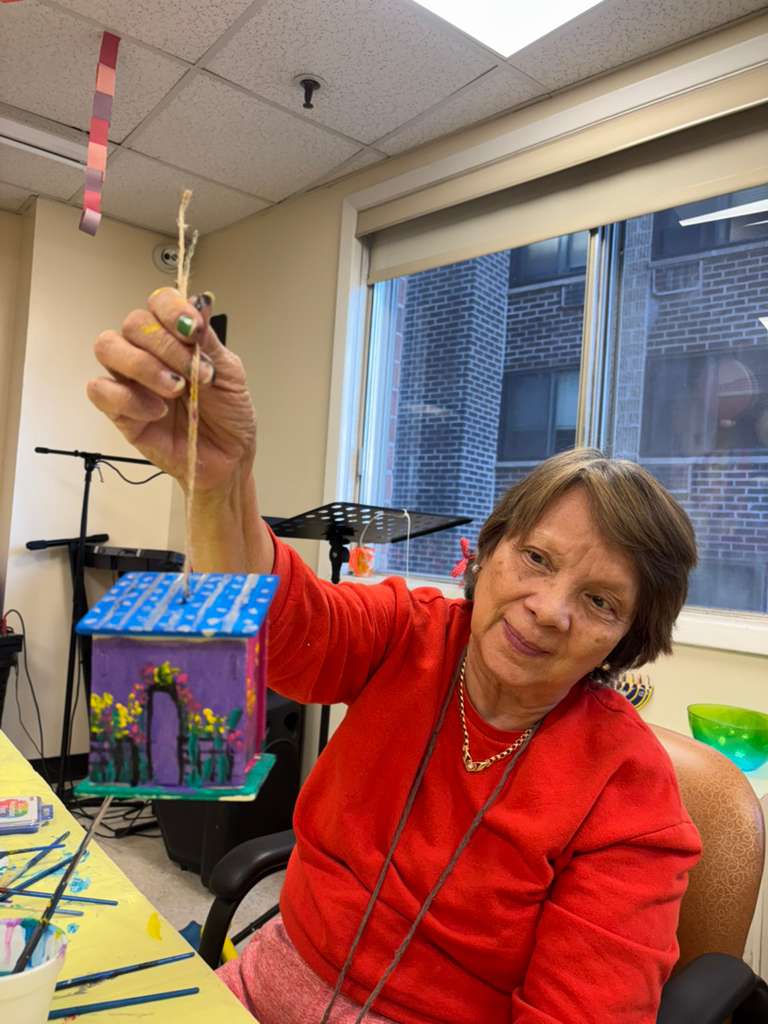
- Arts and crafts programs
- Community outings
- Volunteer opportunities
These shared experiences naturally foster friendships and help residents feel connected to their community.
A Sense of Belonging
Strong social networks contribute to a greater sense of purpose and belonging. Residents often form close bonds with neighbors, caregivers, and activity coordinators, creating a supportive environment that reduces feelings of isolation.
Encouraging Active Participation
Staff members actively encourage participation in social events and recreational activities, helping even the most reserved residents become involved and engaged. Over time, these interactions can lead to lasting friendships that enhance emotional well-being.
The Role of Recreation Programs in Senior Health
Recreation programs are a cornerstone of quality assisted living communities. These programs are specifically designed to promote physical, cognitive, emotional, and social wellness.
Physical Health Benefits
Regular recreational activities help seniors maintain:
- Mobility and flexibility
- Muscle strength
- Balance and coordination
- Cardiovascular health
- Healthy weight management
Activities may include walking clubs, chair yoga, water aerobics, dance classes, and low-impact fitness programs.
 Cognitive Stimulation
Mental engagement is equally important for healthy aging. Recreation programs often feature:
- Trivia competitions
- Book clubs
- Memory games
- Puzzle challenges
- Educational lectures
- Technology classes
These activities help keep the mind active and may support cognitive function as residents age.
Emotional Wellness
Participating in enjoyable activities can significantly reduce stress, anxiety, and depression. Recreation programs give seniors opportunities to pursue hobbies, discover new interests, and maintain a positive outlook on life.
How Recreation Programs Are Tailored with Medical Care
Today’s assisted living communities understand that every resident has unique health needs. The most effective programs combine recreation with personalized medical support to maximize health outcomes.
Individualized Wellness Plans
Healthcare professionals work alongside recreation specialists to create customized wellness plans based on each resident’s:
- Physical abilities
- Medical conditions
- Cognitive status
- Personal interests
- Rehabilitation goals
This integrated approach ensures that activities are both safe and beneficial.
Supporting Chronic Conditions
Many seniors live with chronic conditions such as arthritis, diabetes, heart disease, or mobility limitations. Tailored recreation programs can help manage symptoms while improving overall function and quality of life.
For example, a resident recovering from surgery may participate in gentle exercise programs designed to complement their rehabilitation plan. Likewise, individuals with memory challenges may benefit from specialized cognitive activities that support brain health.
Holistic Health Benefits
When recreation and healthcare services work together, residents often experience:
- Improved physical fitness
- Better medication compliance
- Enhanced emotional well-being
- Reduced stress levels
- Increased social engagement
- Greater independence
This comprehensive approach promotes healthier aging and helps seniors maintain the highest possible quality of life.
Benefits for Adults of All Ages
While assisted living is primarily designed for older adults, the principles behind integrated recreation and healthcare programs offer benefits for adults of all ages. Social engagement, physical activity, mental stimulation, and preventive healthcare are essential components of lifelong wellness.
The success of assisted living communities demonstrates the importance of maintaining strong social connections and participating in meaningful activities throughout every stage of life.
Choosing the Right Assisted Living Community
Families searching for an assisted living community should look for programs that emphasize both social enrichment and personalized healthcare. Important considerations include:
- Diverse recreation offerings
- Individualized care plans
- Professional healthcare staff
- Opportunities for social interaction
- Wellness and fitness programs
- Community involvement initiatives
- Safe and supportive living environments
Communities that successfully integrate recreation with healthcare often provide the greatest benefits for residents’ physical, emotional, and social well-being.
Conclusion
Assisted living programs play a vital role in helping seniors form friendships, combat loneliness, and enjoy healthier, more fulfilling lives. Through engaging recreation programs, supportive social environments, and personalized medical care, residents gain opportunities to thrive physically, emotionally, and mentally.
By combining meaningful social connections with tailored wellness initiatives, assisted living communities create an environment where seniors can maintain independence, build lasting friendships, and experience the many benefits of healthy aging. For families seeking comprehensive support for an aging loved one, a community that integrates recreation and healthcare may offer the ideal path toward improved quality of life and long-term well-being.
Interested in joining our assisted living program and becoming a part of the Madison York family?
Contact Us Now To Get Started!




Leave A Comment